Behind The Awards

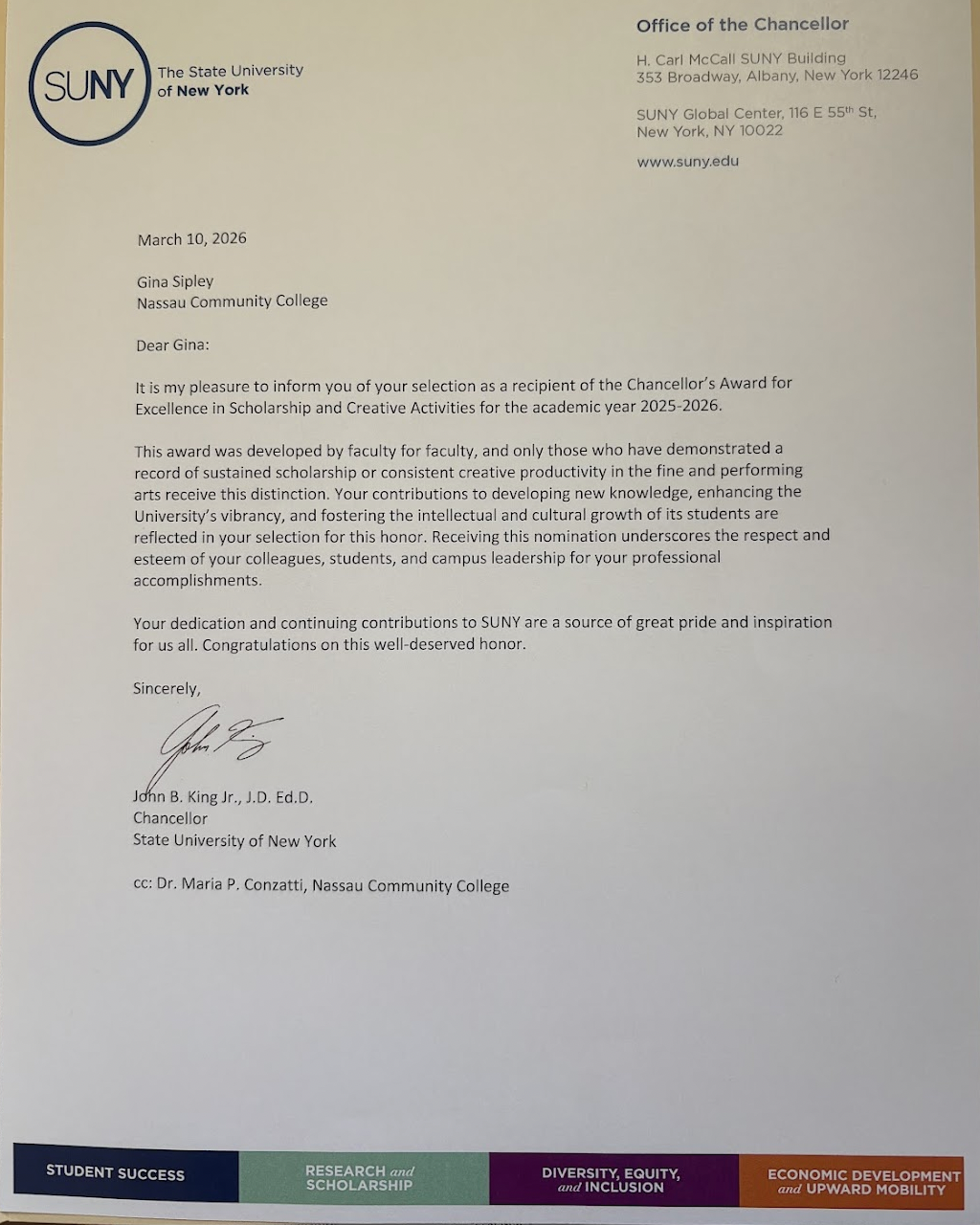
I won the SUNY Chancellor's Medal for Research and Creative Activities, a system-wide honor across the 64 campuses, that recognizes consistent superior evidence of sound scholarship and creative productivity in addition to teaching.
Right now the honor exists on letterhead and there will be some kind of recognition event in the Fall where you get an actual medal. The SUNY Chancellor also extends separate awards for superior college teaching and service and having taught for about 20 or so years, it is no doubt harder to be an effective teacher than an expert researcher. But it is rare to be able to achieve scholarly excellence at a community college because of the limited budgetary resources.
As a community college scholar one is very much performing the charade of Marx and his overcoat, expertly described by Peter Strallybass, here. The Tl:Dr gist of the article is that Marx wrote his essays and books in the reading room of The British Library, because it afforded him paper, ink, warmth, and lighting in addition to the great volume of books necessary to conduct his research. But to gain entry to this space, one needed a proper overcoat. Where Marx had a coat, he often had to pawn it to cover expenses and then re-purchase it to regain access to the library. This cycle of pawning one's coat is familiar to anyone who has ever adjuncted a course to continue to pursue their research and writing. The gig work we take on affords us the funds to live, while simultaneously depleting us of the time necessary to complete the work.

Academia is very much a pay-to-play industry. Many of the most prolific folks were born into academic and professional class families. I remember a lively grad school conversation among peers about skimming The Atlantic and The New Yorker as teenage bathroom reading. In my house it was Star Magazine and The National Enquirer. Even within the meritocratic nature of higher education, one where folks like myself with working class roots are awarded full scholarships for Masters degrees and PhD's, supplemental funding is essential to conduct your work.
When I mentor graduate students through the Association of Internet Researchers, they often want to know about life as a community college professor. The academic job market is bleak and even the technology industry is not a stable career path at the moment. Folks are curious about community colleges. And I am candid about the realities.
Community colleges cannot offer scholars start up research funds, which are necessary to continue to perform high caliber research.
Conferences and publications are the backbone of academic productivity and participation comes at a cost.
Want to attend a conference?
It will cost several thousand dollars and without institutional funding, that is a cost you either shoulder, find external funding, or you decline to participate.
Want to publish in a top tier journal?
That will cost your research team around $10K to make the article freely available to the public. For folks outside academia, this publication charge does not go into the pockets of the peer reviewers who labor to make the article free of bias and verify its findings, nor are you, the researcher, paid.
The best public facing op-ed vehicle for scholars, The Conversation, denies access to community college scholars.
The Chronicle for years routinely pigeonholed community college scholars to only publish on issues only of pedagogy (although this is getting a bit better these days).
And when I mentor students today, I am candid about these professional financial hurdles.
But I also extol the benefits.
One of which is that it's a privilege to work, teach, and research in the community I want to live in with the people I love.
That's a benefit we don't often openly discuss in academia.
It's the reason I left academia the first time, almost 20 years ago. I was unhappy on the literature PhD track and knew the economic realities of the job market. My then boyfriend was headed to the West Coast and I, too, decided to head West to create a new life for myself, alongside my partner. A life that could include my partner, but one that could also just be for me should our relationship not flourish. My Ivy League educated mentor gave me a copy of this book and told me I was throwing my life away.
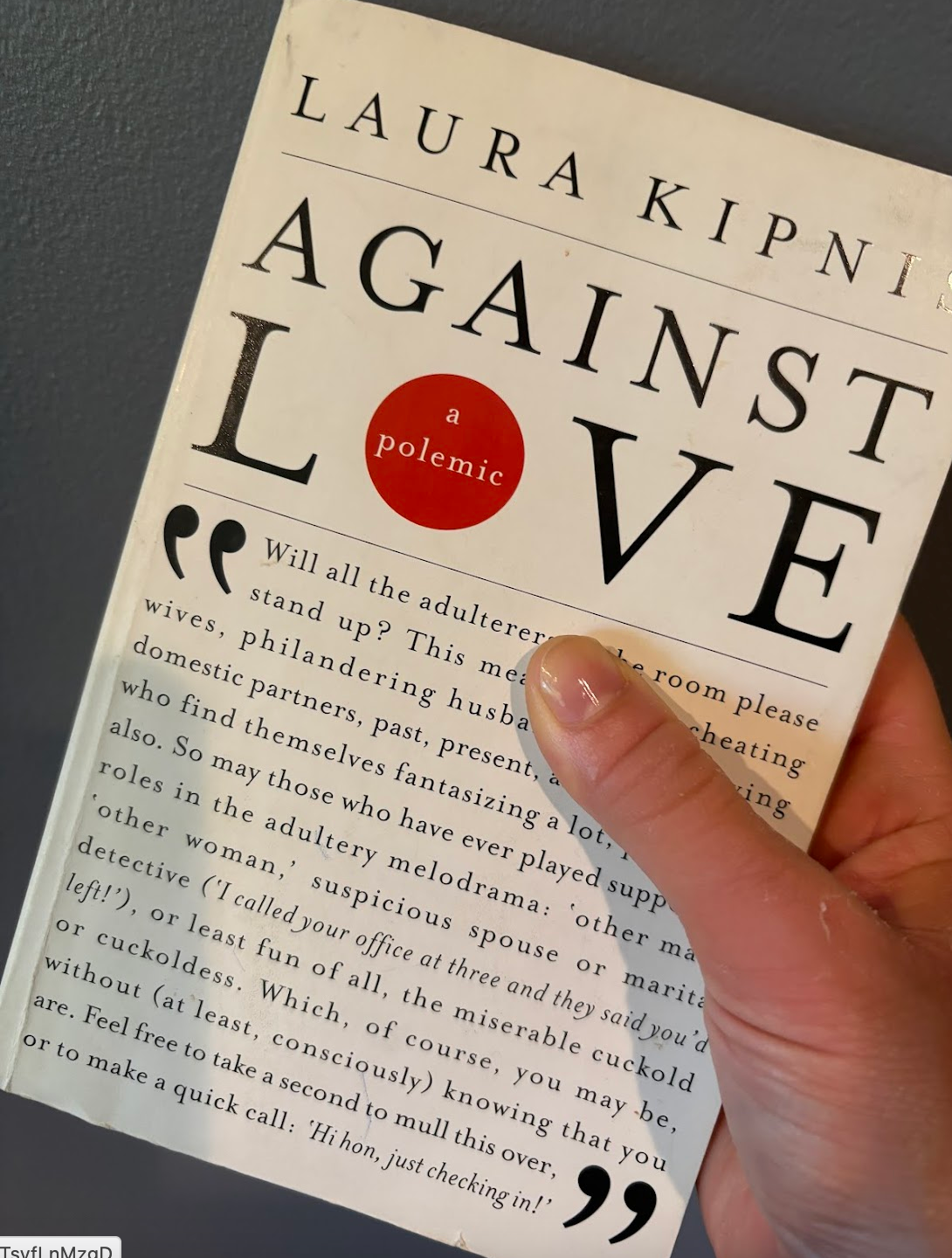
When she told me I was "throwing my life away", it hurt.
Not just because it came from someone I respected, but because it gaslighted the larger reality of what it means to live a full life.
A career in Community College allowed me a second start in academia years later, on my own terms, studying technologies that did not yet exist when I left the first time. It also offered me a job with a work/life balance that allowed me to be fully present as a parent, partner, and friend.
Last night, my magnificent other (the same West Coast bound boyfriend from my youth) received a lifetime teaching award from his institution, which myself and our kiddos were able to attend. It was an honor to meet many of the students and colleagues who were influenced by his work. We show up for each other and thrive alongside each other.
When I mentor students, I affirm that there are many ways to be professionally happy. You have to find the unique path that works best for you. The specter of academic and professional precarity never truly goes away, but I am fortunate that thus far, I have been able to build this beautiful life alongside all the hurdles.
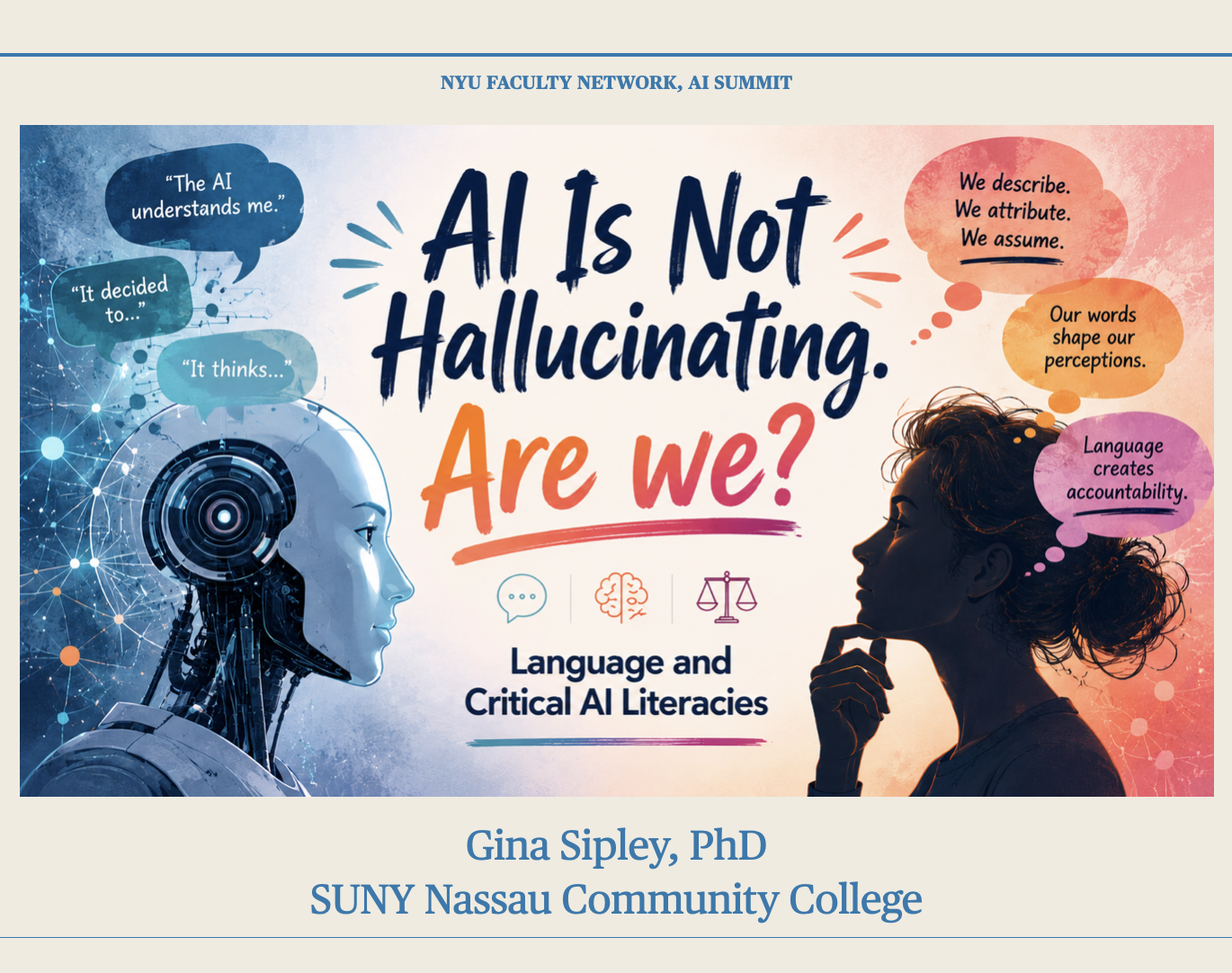
Next month, I'll share more on all the AI happenings: my team's approved 56K grant to teach writing in the age of AI, conference presentations on AI and Humanism, and a lightning talk at the NYU AI Summit. Plus some good reads and updates on the summer writing projects.
Thanks for walking beside me,
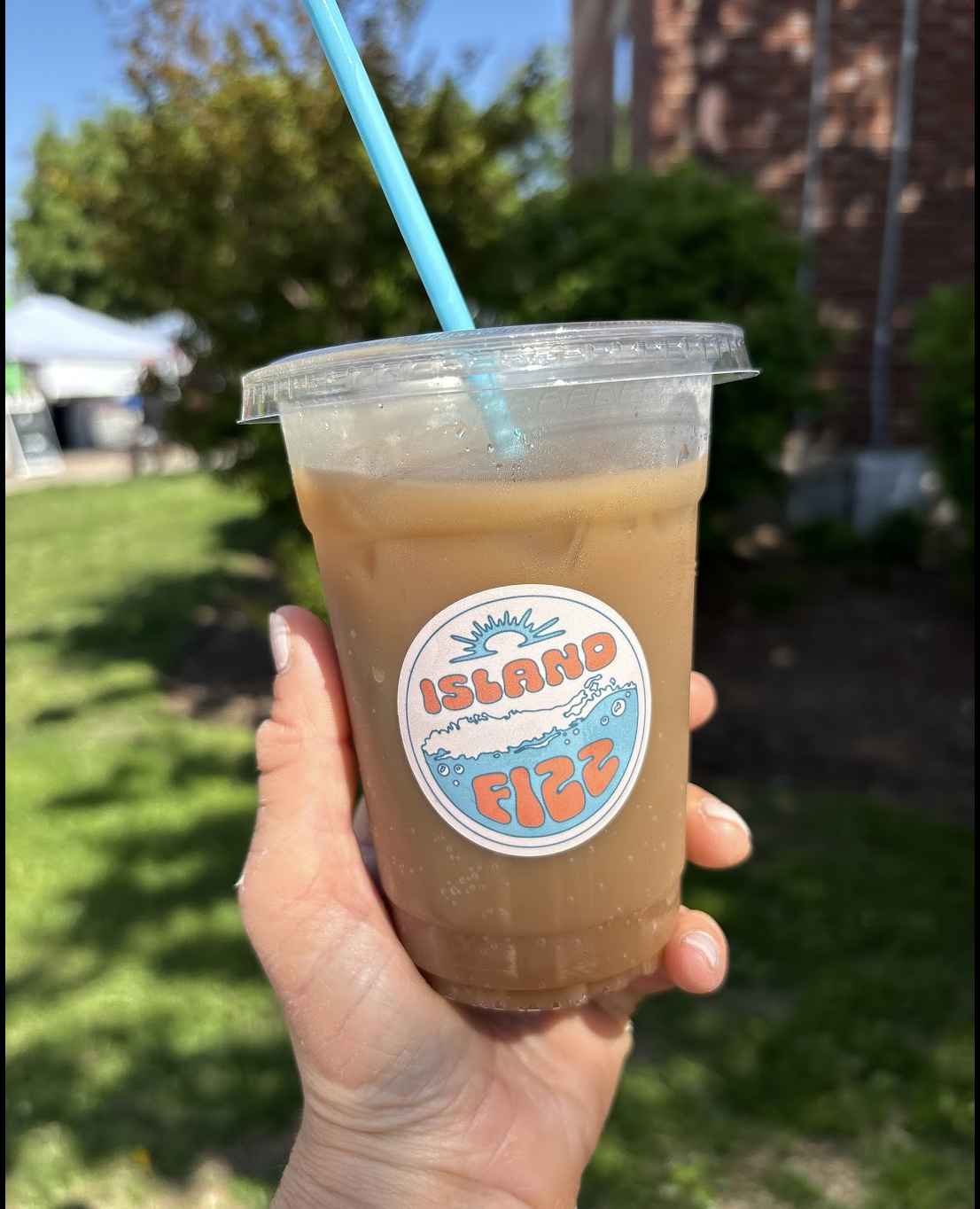
PS: If you happen to see an Island Fizz pop-up on Long Island, try one of their dirty sodas. I received one as a volunteer at the Gold Coast Book Festival and it was divine,
If you know someone who might be interested in receiving this newsletter, please forward and encourage them to subscribe.